← BACK TO COMPUTER MUSEUMDOCUMENTED · JULY 2026

REAL ENVIRONMENT · 1998–PRESENT

museum@author-lab:~$ Cthulhu — Modern Linux Workstation

A modern personal computer built around Linux

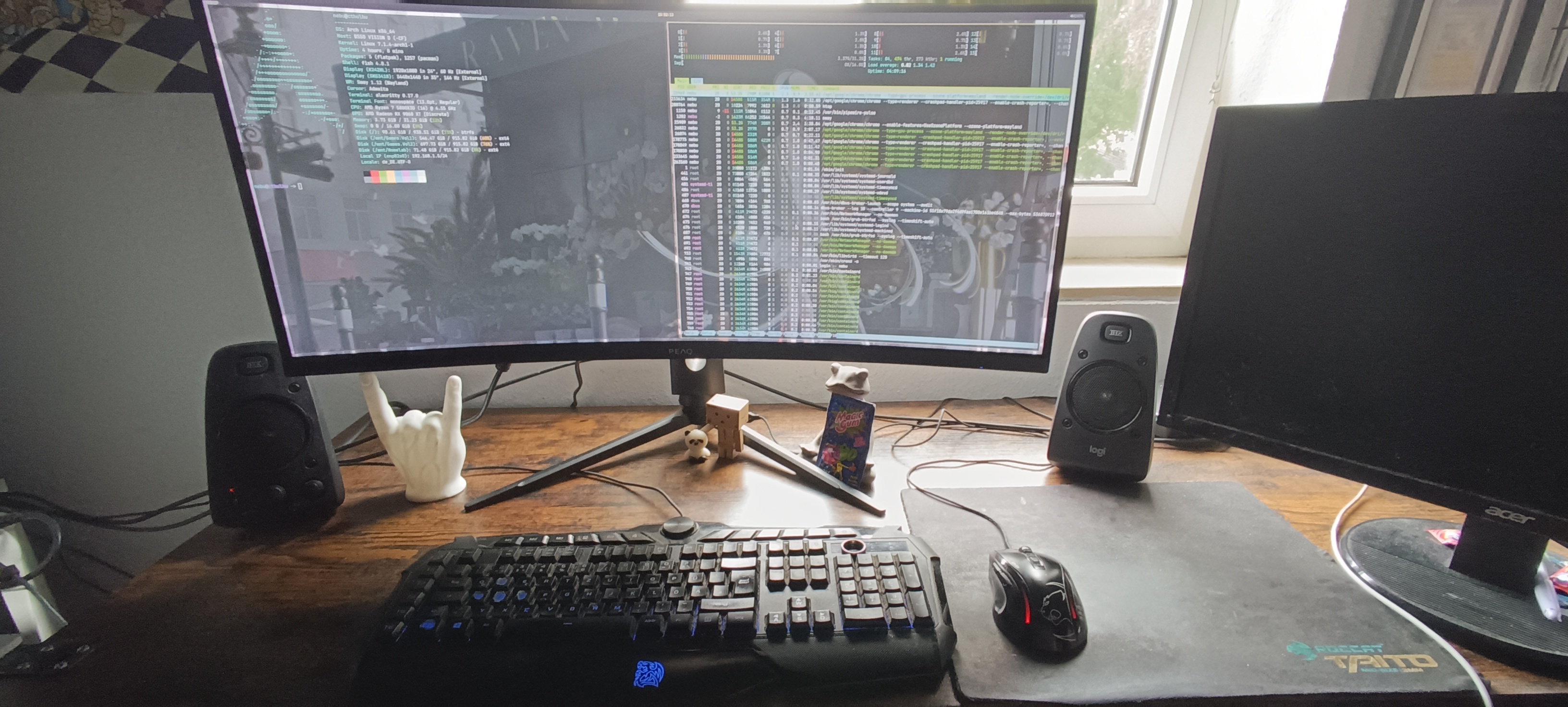
Modern Linux workstation with ultrawide display
PHOTOGRAPHIC EVIDENCECurrent Cthulhu workstation documented in July 2026.
OPEN FULL-RESOLUTION PHOTOGRAPH ↗
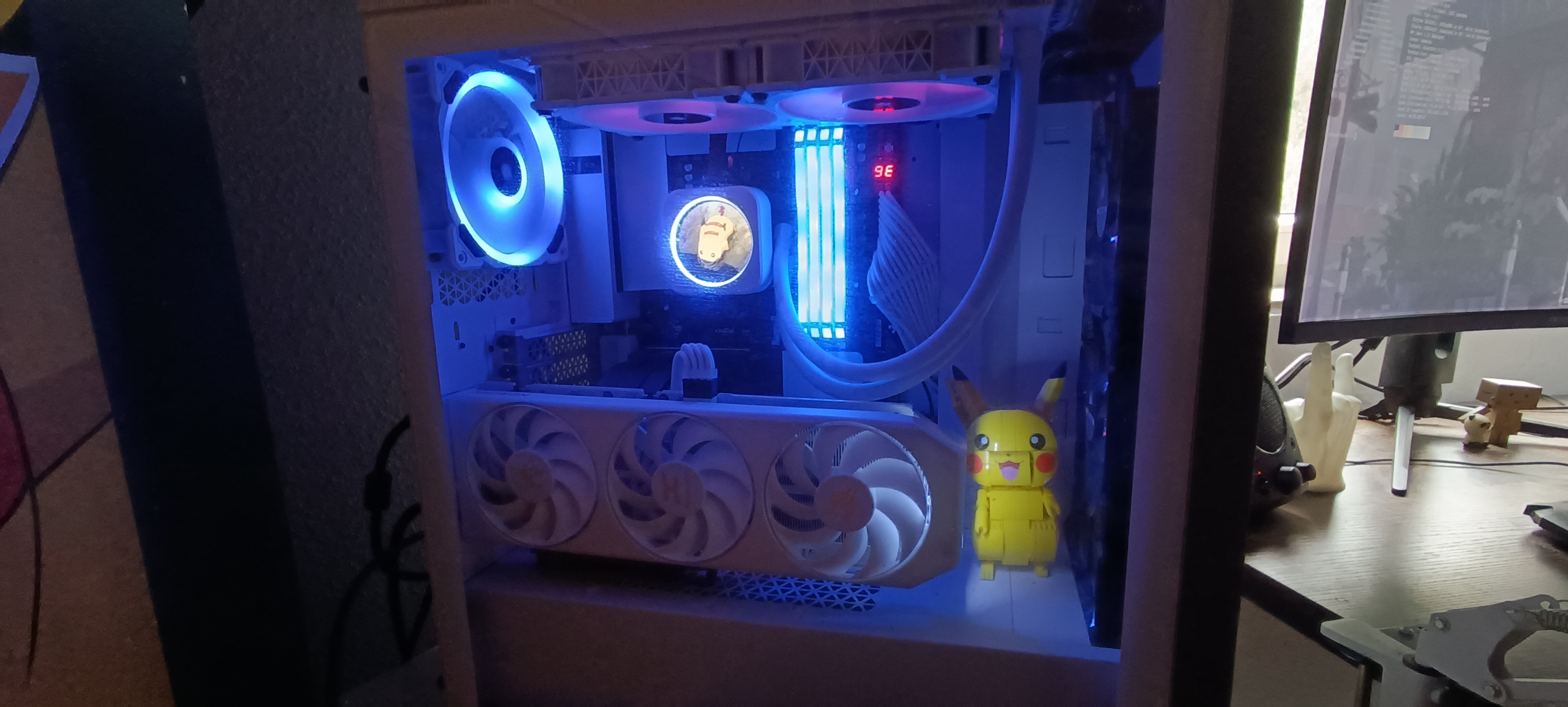
Interior of the Cthulhu workstation showing current hardware
PHOTOGRAPHIC EVIDENCECurrent hardware configuration used for daily work.
OPEN FULL-RESOLUTION PHOTOGRAPH ↗
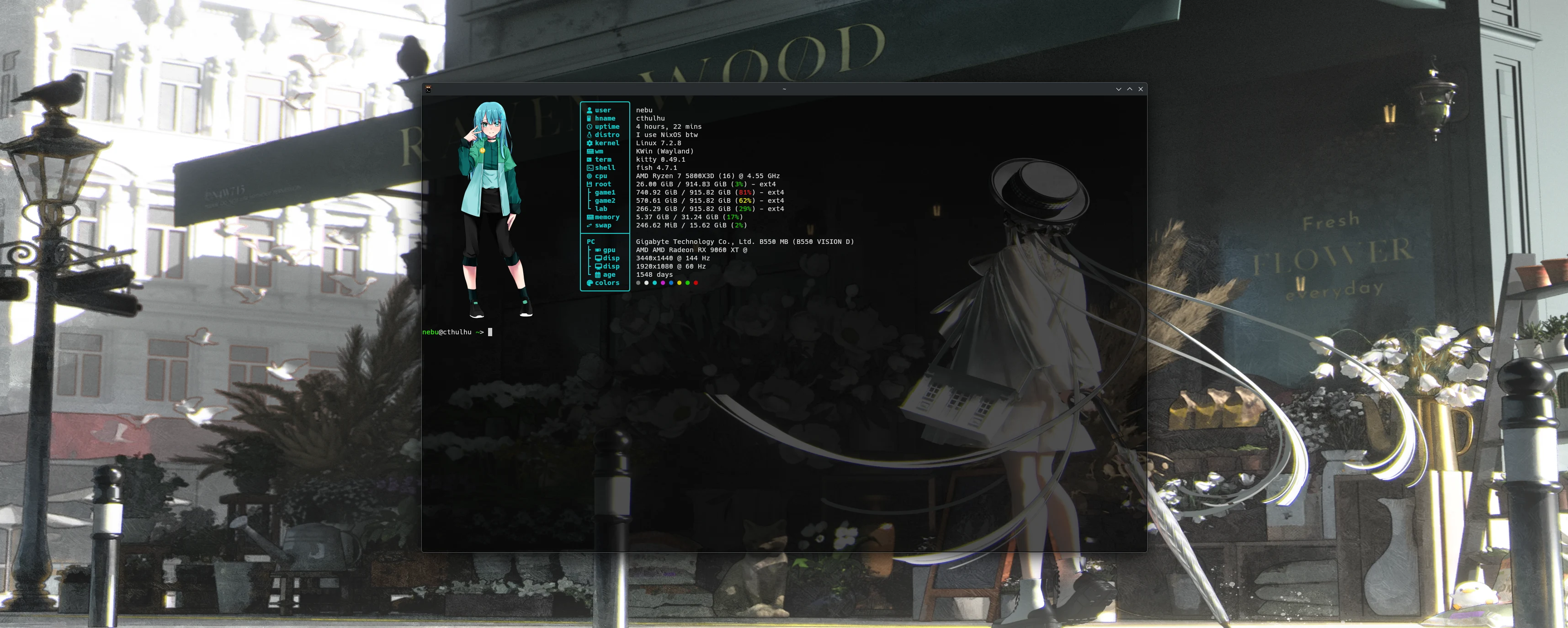
OPERATIONAL SYSTEM RECORDCaptured directly from the running Arch Linux installation.
OPEN FULL-RESOLUTION SYSTEM SNAPSHOT ↗

Configuration snapshot · July 2026

This record describes the machine as observed in use. It does not imply that every part was installed at the same time; component dates and earlier configurations remain open research fields.

Object type
Personal workstation
Status
In service
Operating system
Arch Linux
Evidence
Photographs, packaging, preserved drives and operational screenshots

Current installed configuration

HCL-WS-001-CPUProcessor

AMD Ryzen 7 5800X3D

Status
Installed · operational
Purpose
General processing for development, museum production, World Observer and games
Selection
Chosen primarily for CPU-dependent World of Warcraft Classic; AM4 remained sensible because the B550 Vision D was available at a good price and DDR5 prices were unattractive.
Installed
Date pending
Previous / successor
Intel Core i7-7700K / none recorded
HCL-WS-001-MBMotherboard

Gigabyte B550 Vision D

Status
Installed · visible in interior record
Purpose
Connects and supports the workstation’s installed components
Selection
Available at a good price and supported the decision to remain on AM4 rather than move to DDR5.
Installed
Date pending
Historical note
Configuration history pending
HCL-WS-001-GPUGraphics card

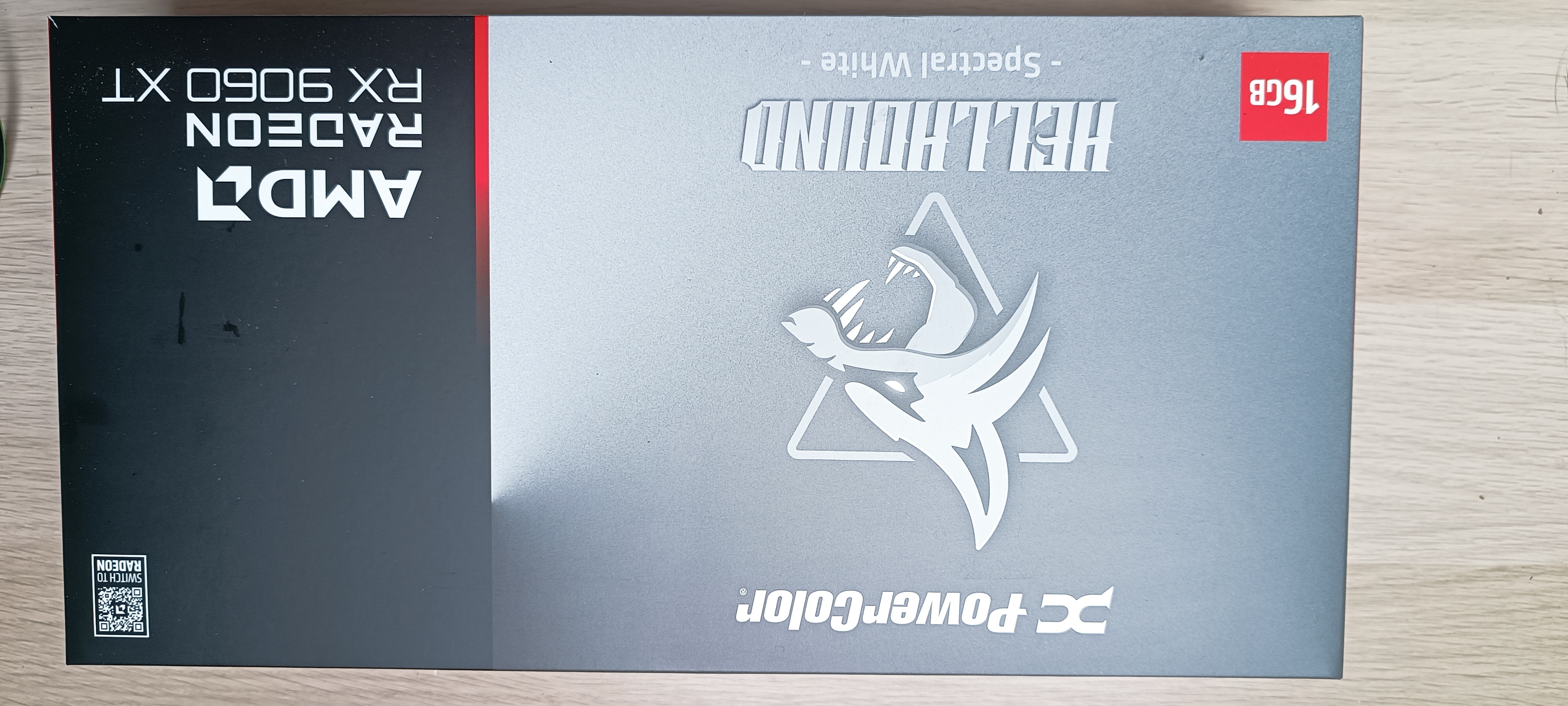
PowerColor Radeon RX 9060 XT Hellhound Spectral White · 16 GB

Status
Installed · operational
Purpose
Display output and graphics workloads, including Linux gaming
Selection
Selected after a successful low-risk AMD compatibility evaluation; the white design also matched the intended workstation appearance.
Installed
Date pending
Previous hardware
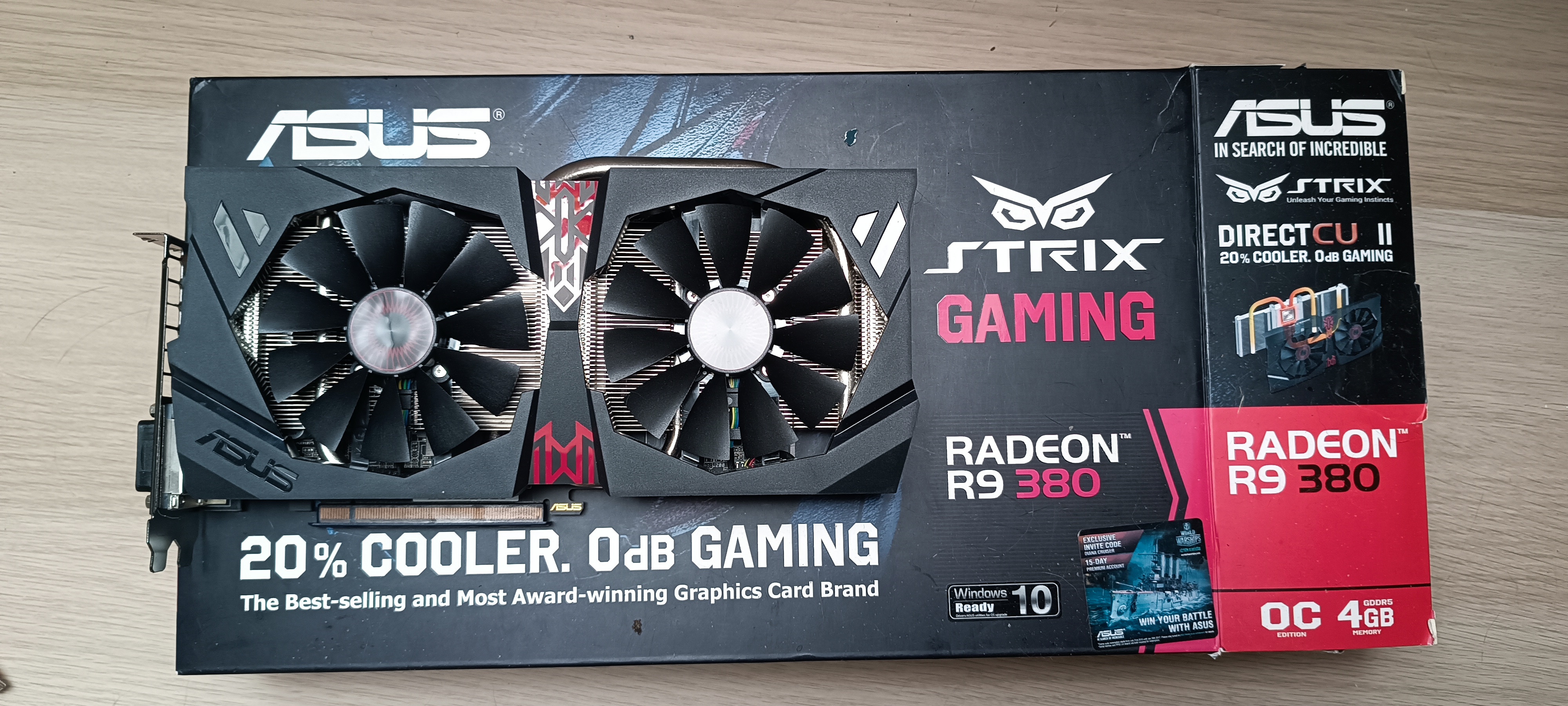
Gigabyte GeForce RTX 3060 Ti Vision OC White; ASUS Strix Radeon R9 380 used only as temporary evaluation hardware.
HCL-WS-001-RAMSystem memory

32 GB RAM

Status
Installed · operational
Purpose
Working memory for concurrent desktop and development tasks
Module details
Maker, speed and layout pending verification
Installed
Date pending
Upgrade history
Not yet catalogued
HCL-WS-001-DISPLAYPrimary display

3440 × 1440 ultrawide monitor

Status
In daily use
Purpose
Desktop workspace for development and project work
Model
Not yet catalogued
Selection
Workflow reason pending
Previous display
Not yet catalogued
HCL-WS-001-SWSoftware environment

Arch Linux · sway

Status
Running system documented July 2026
Purpose
Daily operating environment and keyboard-driven window management
Why Linux became permanent
Owner’s account pending
Installed
Original installation date pending
Previous system
Not yet catalogued

Why the Ryzen 7 5800X3D was chosen

World of Warcraft Classic is strongly CPU-dependent, and the Ryzen 7 5800X3D was selected primarily for that workload. A Gigabyte B550 Vision D was available at a good price, while moving to DDR5 was not attractive at prevailing prices. Staying with AM4 was therefore the sensible platform choice.

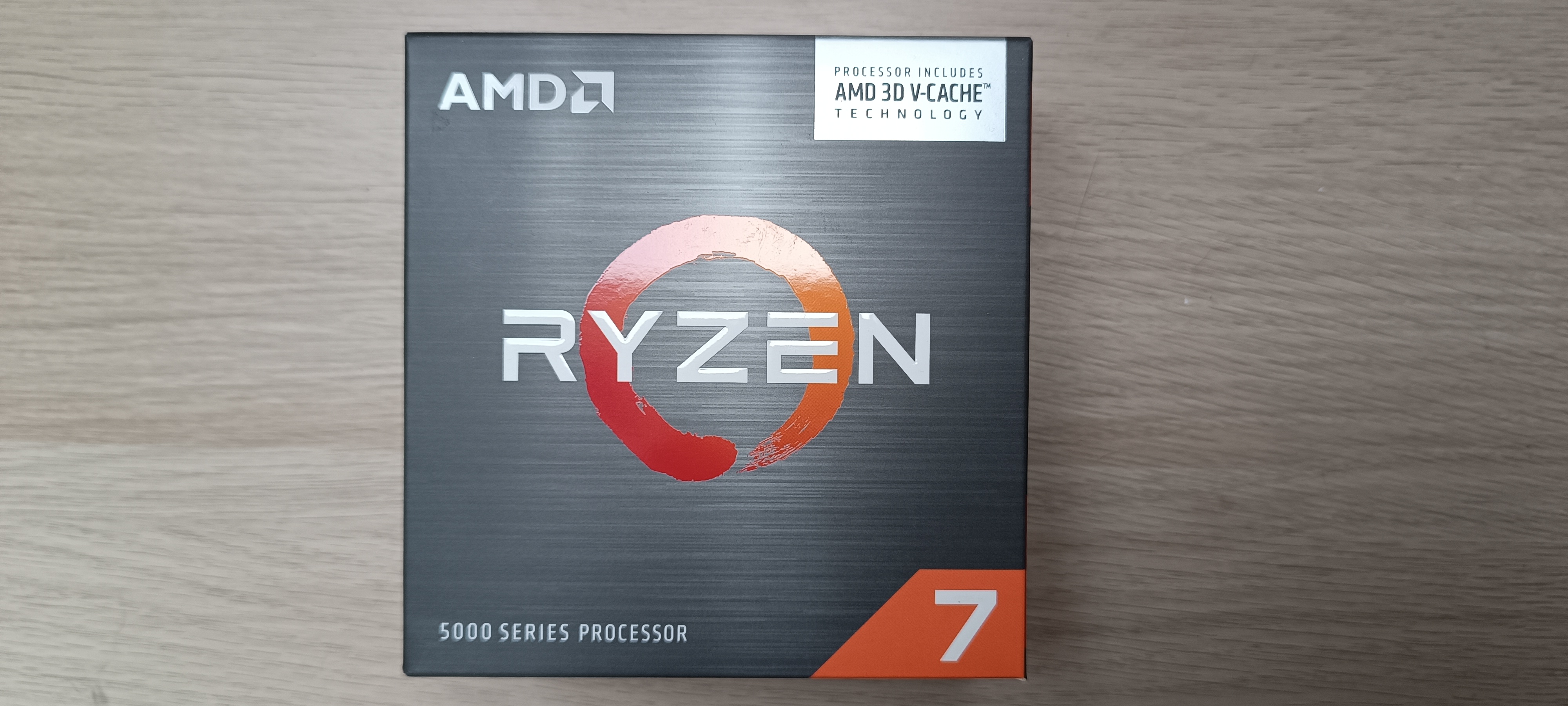
Original AMD Ryzen 7 5800X3D retail box retained with the Cthulhu collection
ORIGINAL PACKAGINGRyzen 7 5800X3D packaging retained as evidence of the selected processor.
OPEN FULL-RESOLUTION PHOTOGRAPH ↗

Hardware evolution

  1. EARLY CTHULHU CONFIGURATIONIntel Core i7-7700K · MSI GeForce GTX 970 Gaming 4GThe GTX 970 already served in the preceding system. It performed especially well in the author’s preferred games, so it remained in service into early Cthulhu.
  2. RYZEN PLATFORM STAGERyzen 7 5800X3D · Gigabyte GeForce RTX 3060 Ti Vision OC WhiteThe white RTX 3060 Ti was Cthulhu’s primary NVIDIA card after the Ryzen platform transition.
  3. TEMPORARY EVALUATION HARDWAREASUS Strix Radeon R9 380Purchased for €20 as a low-risk test of AMD graphics compatibility in the author’s preferred, self-configured Linux environments—not as a normal primary upgrade.
  4. CURRENT PRIMARY GRAPHICSPowerColor Radeon RX 9060 XT Hellhound Spectral WhiteThe successful AMD evaluation supported this later move. The card also matched the intended white workstation design; exact transition date remains undocumented.

From NVIDIA to AMD

The white Gigabyte GeForce RTX 3060 Ti Vision OC generally worked in preconfigured distributions such as CachyOS and Linux Mint, but those were not the author’s preferred operating environments. Occasional Linux driver or compatibility issues occurred on self-configured systems. The €20 R9 380 evaluation provided a low-risk compatibility test before committing to the later primary AMD card.

Preserved Operating-System Drives

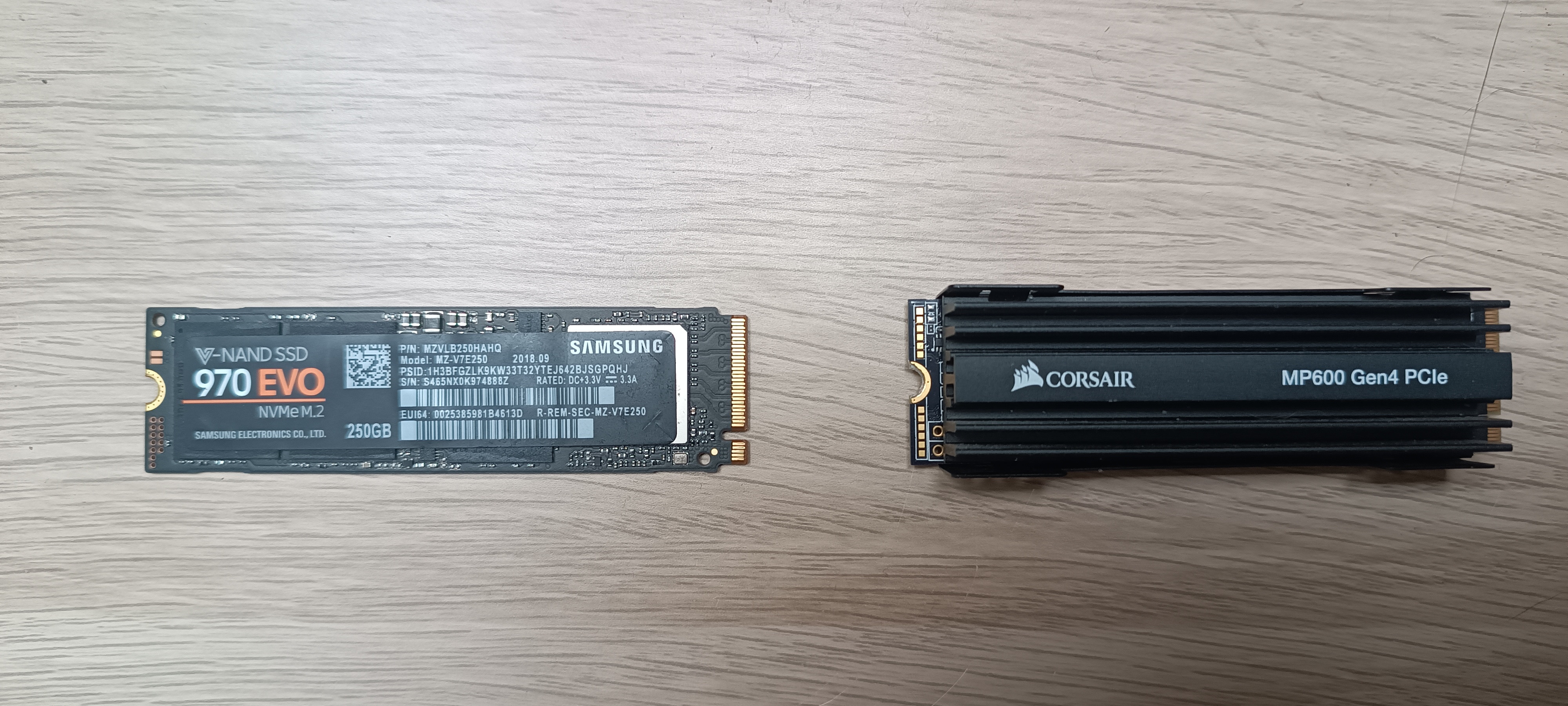
Samsung 970 EVO 250 GB and Corsair MP600 Gen4 PCIe operating-system SSDs preserved together
PHOTOGRAPHIC EVIDENCE · PRESERVED IN LAST OPERATIONAL STATEShared record of two successive primary operating-system drives.
OPEN FULL-RESOLUTION PHOTOGRAPH ↗

Samsung 970 EVO 250 GB

Last system drive before the Intel Core i7-to-AMD Ryzen transition. It preserves a Windows 10 and Debian dual-boot installation and represents the final dual-boot stage before the first Linux-only primary SSD.

PRESERVED IN LAST OPERATIONAL STATE

Corsair MP600 Gen4 PCIe

First primary SSD after the move to the Ryzen 7 5800X3D, and the first primary system drive in this sequence without Windows. It preserves Gentoo Linux with XMonad and was tested again a few months ago, when it still booted successfully.

PRESERVED IN LAST OPERATIONAL STATE

Gentoo/XMonad operational record

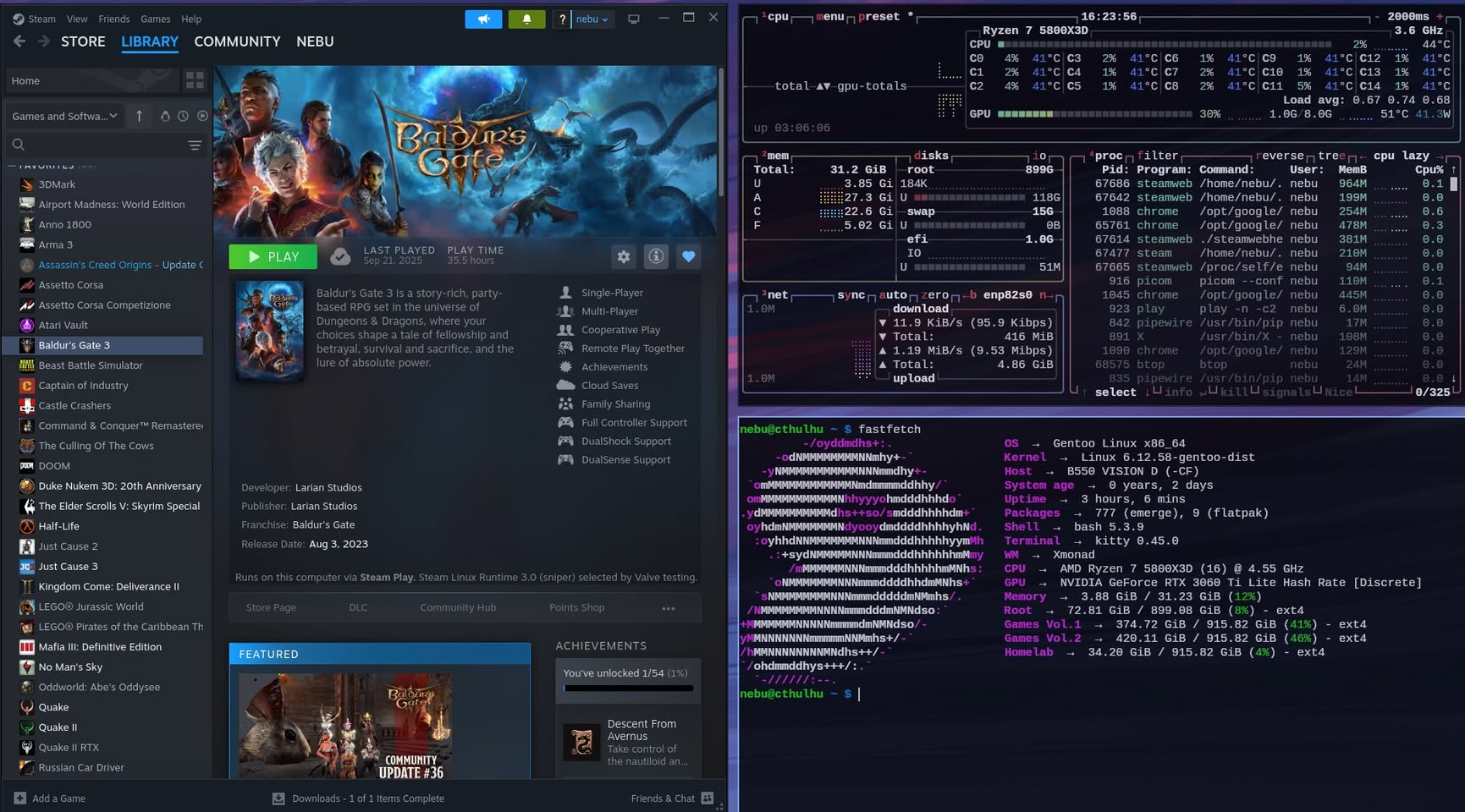
Gentoo Linux XMonad desktop running Steam and Kitty on Cthulhu's Ryzen 7 5800X3D and RTX 3060 Ti configuration
OPERATIONAL SYSTEM RECORDPreserved screenshot of the Gentoo Linux and XMonad environment used after the Ryzen platform transition and before the later move to AMD graphics and Arch Linux.
OPEN FULL-RESOLUTION SYSTEM RECORD ↗

This daily-use stage records Gentoo Linux, XMonad, the Ryzen 7 5800X3D, NVIDIA GeForce RTX 3060 Ti, Steam, Kitty and the B550 Vision D platform. It remained in use until software including OBS and Steam worked as required.

The date in the archive filename records archival naming, not a claimed capture date.

What is present, and what remains to be explained

Present and documented

Current workstation photographs and verified hardware; Ryzen 7 5800X3D packaging; R9 380 evaluation artifact and packaging; RX 9060 XT original packaging; preserved operating-system SSDs; Gentoo/XMonad operational screenshot; GTX 970 illustrated reconstruction.

Still to be documented

Exact dates for some component transitions; complete photographs of all retired hardware; the physical RTX 3060 Ti, for which no artifact photograph is currently available; later photographs of the current system interior; additional verified upgrade records.

A workstation, not just a PC

Cthulhu is the modern working end of this environment: an Arch Linux computer used for daily computing, software development, website and Computer Museum work, World Observer work, and Linux gaming. Its AMD Ryzen 7 5800X3D processor, Radeon RX 9060 XT with 16 GB of graphics memory, 32 GB of RAM, and 3440 × 1440 ultrawide display describe a machine designed to do many kinds of work without changing its role.

Arch Linux supplies the operating system; the sway window manager arranges the desktop around keyboard-driven workflows. Package management keeps software installable and updatable as a coordinated system rather than as a shelf of physical boxes.

1998 PC

Usually built around one processor core, modest memory, local installation media and a desktop designed for a single machine. Networking was valuable, but not assumed to be part of every task.

2026 workstation

Many processor cores, a capable GPU, abundant memory and persistent networking let one computer be a creative workstation, development platform, game machine and client of other services at once.

Architecture changed more than speed

Multi-core processors allow separate tasks to make progress together. GPUs have become programmable, high-throughput companions to the processor. Linux offers many desktop environments and window managers, so the interface can be adapted to a workflow. Modern tools also assume fast networks: code, documentation, services and collaborators may be elsewhere even when the work is local.