One admin workstation
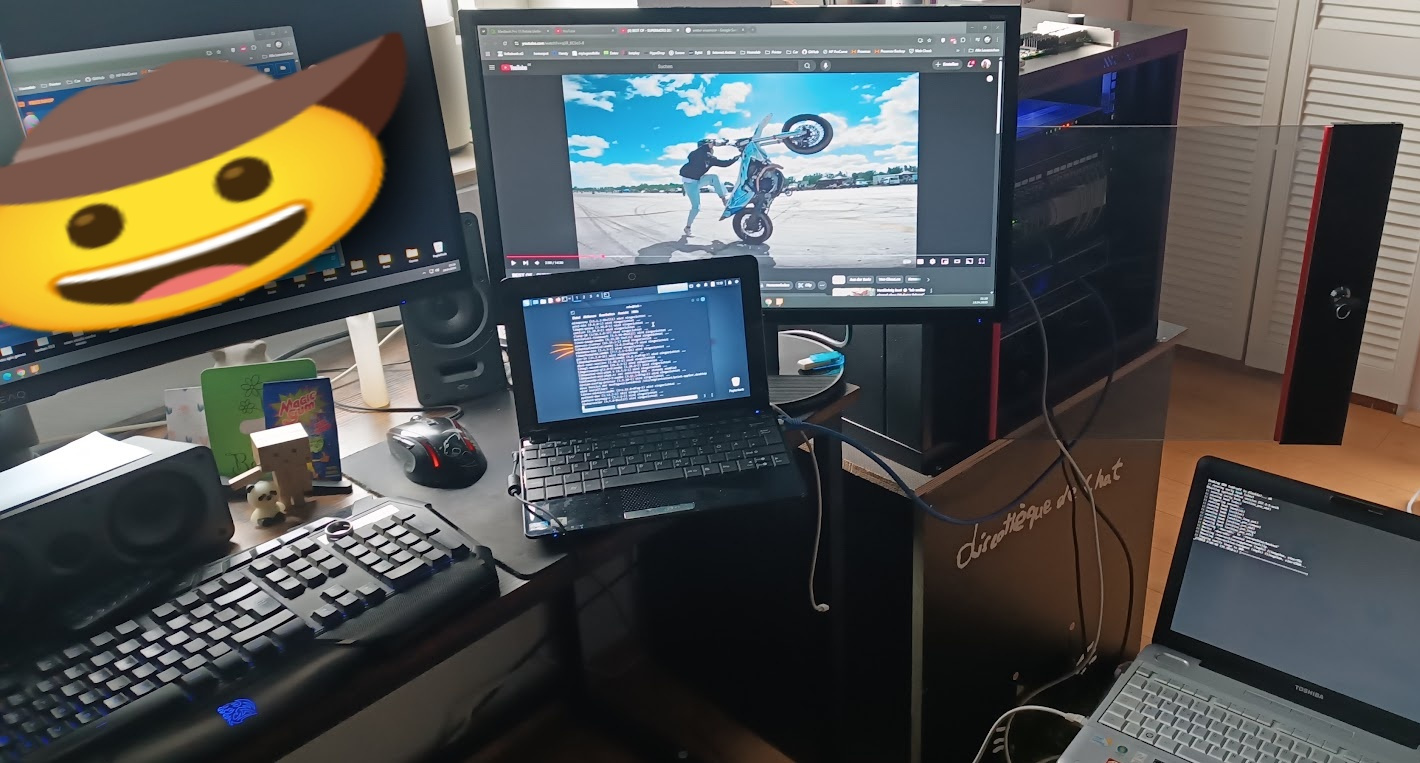
Cthulhu is the only general-purpose administration machine. Infrastructure management, SSH and dangerous buttons stay there; everything else is a client.
REAL SYSTEMS · REAL FAILURES · REAL PROJECTS
A working lab that happens to have a museum around it
THE LAB TODAY
STATUS: ACTIVE / EVOLVING
PRIMARY ADMIN: CTHULHU
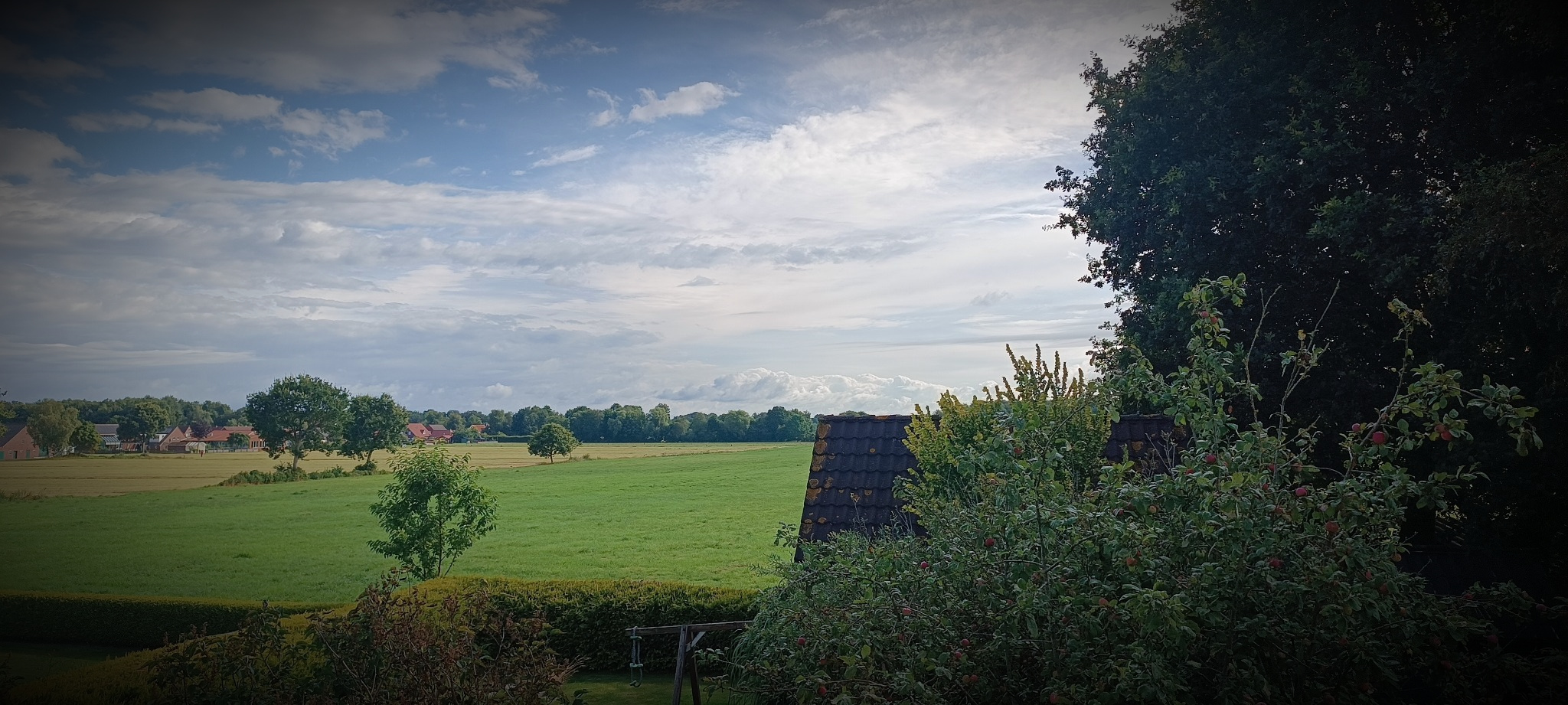
“I try technology because I want to understand how it works. If it has no real purpose afterwards, it gets removed.”
Cthulhu is the only general-purpose administration machine. Infrastructure management, SSH and dangerous buttons stay there; everything else is a client.
Tailscale was tested and removed. Grafana was a fun weekend project and removed. UniFi Controller starts only when changes are needed. Technical curiosity does not obligate permanent operation.
Important projects, configuration and hard-to-rebuild data get multiple layers of history. Downloadable games do not. Backup policy follows replacement effort, not raw size.
FIELD NOTES FROM THE LAB
Real repair mistakes, weird upgrades, a Cisco phone running DOOM and an RX 9060 XT hard-lock investigation that finally pointed back to the PCIe path.
OPEN THE FIELD NOTES →COMPUTERS
HOMELAB & INFRASTRUCTURE
RETRO & PRESERVATION
The retro workstation is deliberately preserved instead of continuously modernized. It lives on a dedicated Retro VLAN and is administered only from Cthulhu.
ICQ 2000b talks OSCAR to a heavily modified private compatibility service on the old Atom server. Linux/Pidgin can join the same little network.
A locally adapted Web Rendering Proxy gives the legacy machine a controlled path to modern content without pretending 1998 browsers are safe modern clients.
FROM THE RACK TO THE PUBLIC INTERNET
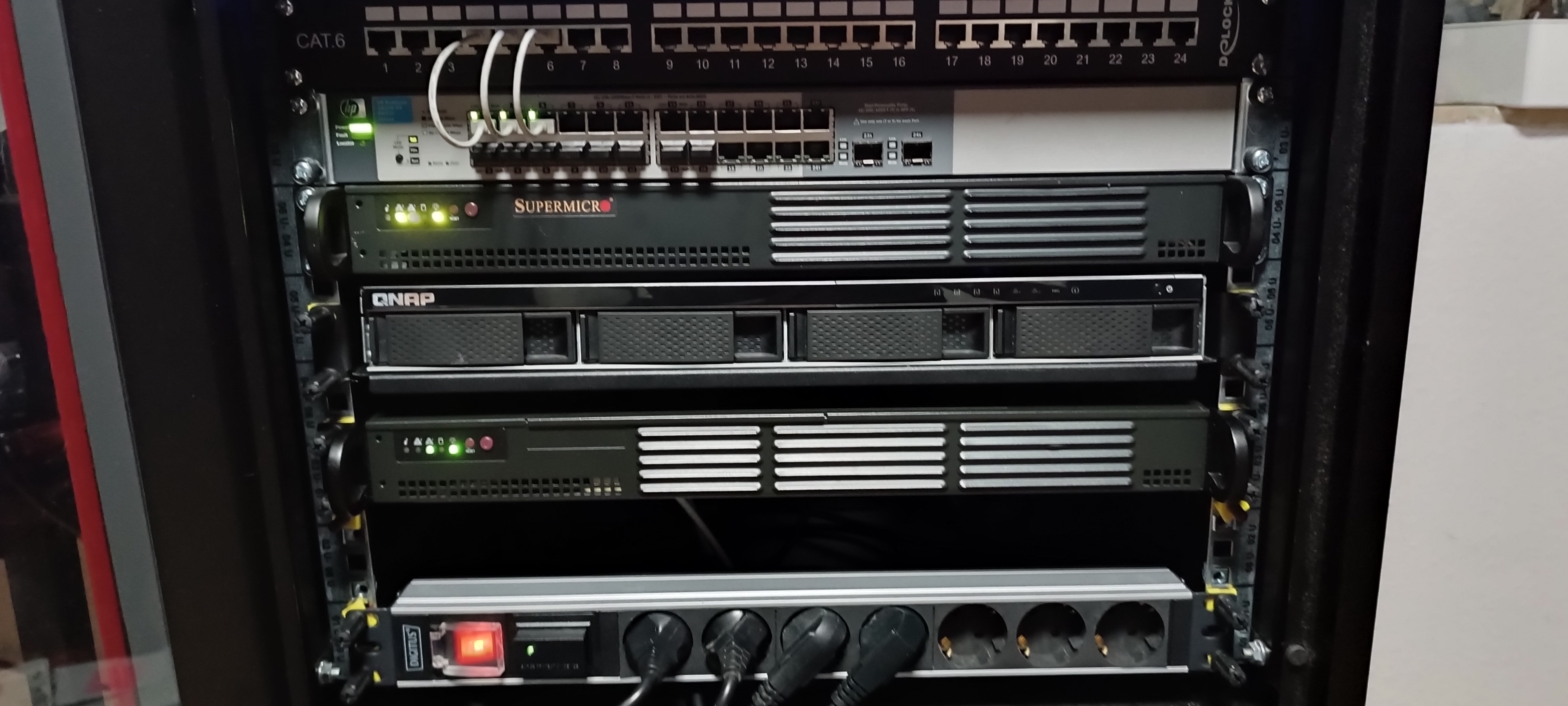
An Atom D525 box in the rack began as a low-power public server and data collector. It still works today as the lab's Swiss-army helper.
The public server now lives in a German datacenter near Braunschweig: Ryzen 9 9900X3D, 64 GB DDR5, 2×4 TB NVMe and Proxmox hosting separate Debian services.
What began as one private Area51 experiment grew into 41 active public-data observers. The rule stayed simple: measure what happened, preserve what failed, invent nothing.
There was no master plan to own a rack, 40-gigabit NICs, a private OSCAR server and a World Observer. Each part arrived because a smaller experiment became useful enough to keep. The lab is deliberately understandable, repairable and a little weird.
The machines changed. The question did not.