About Me
Über mich
Curiosity has always been the point.
Neugier war immer der Punkt.
I’m Dennis Hilk. The servers, old computers, and odd experiments here are not trophies. They are the current tools in a much older habit: finding out how things work — and seeing what else they can do.
Ich bin Dennis Hilk. Die Server, alten Computer und seltsamen Experimente hier sind keine Trophäen. Sie sind die aktuellen Werkzeuge einer viel älteren Gewohnheit: herauszufinden, wie Dinge funktionieren — und was sie sonst noch können.
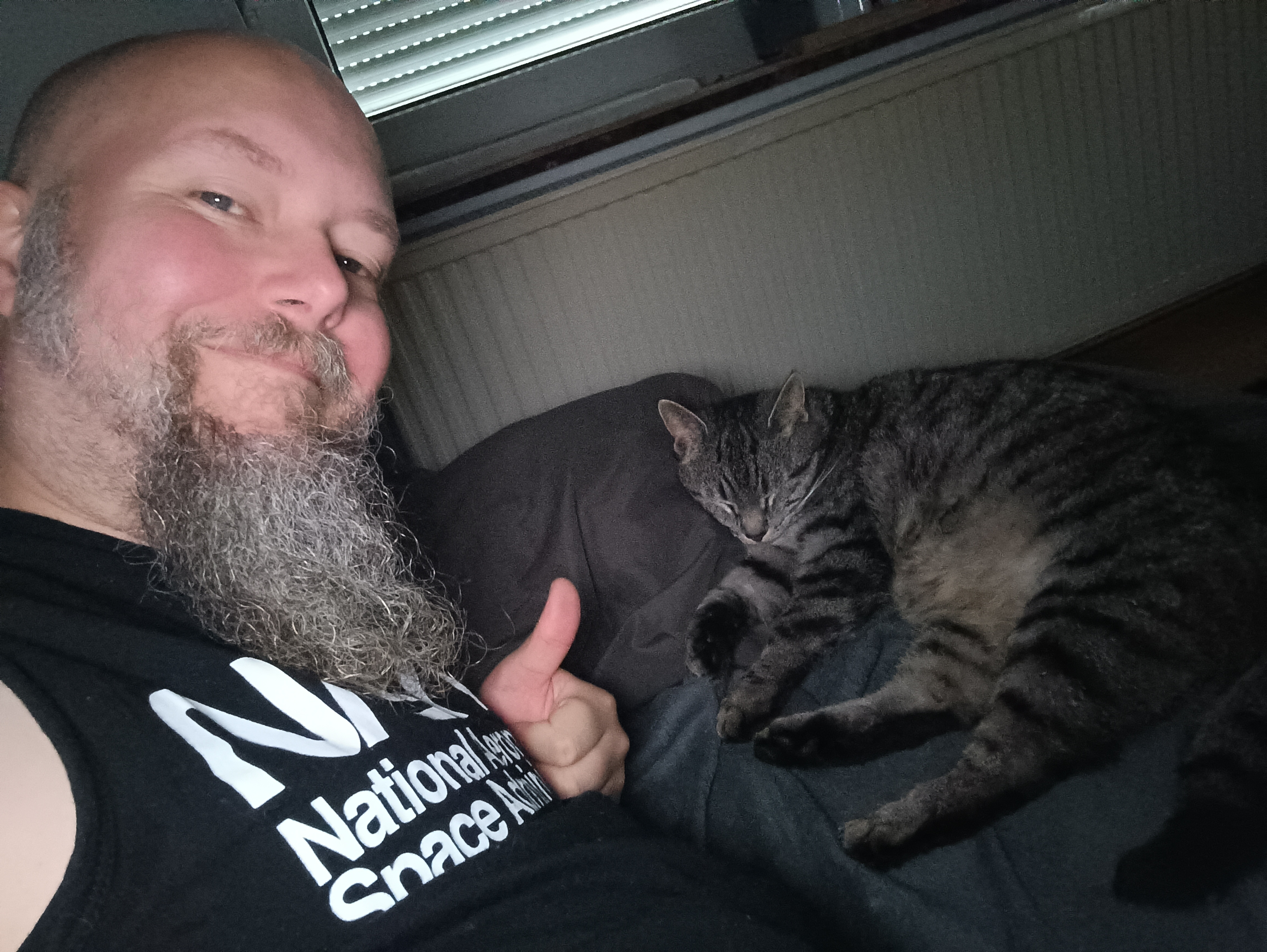
Before the rack. Before Linux. Before the museum. There was a simple question: how does this work?
Vor dem Rack. Vor Linux. Vor dem Museum. Da war eine einfache Frage: Wie funktioniert das?
Memory has a physical form
Erinnerung hat eine materielle Form
Before the machines
Vor den Maschinen
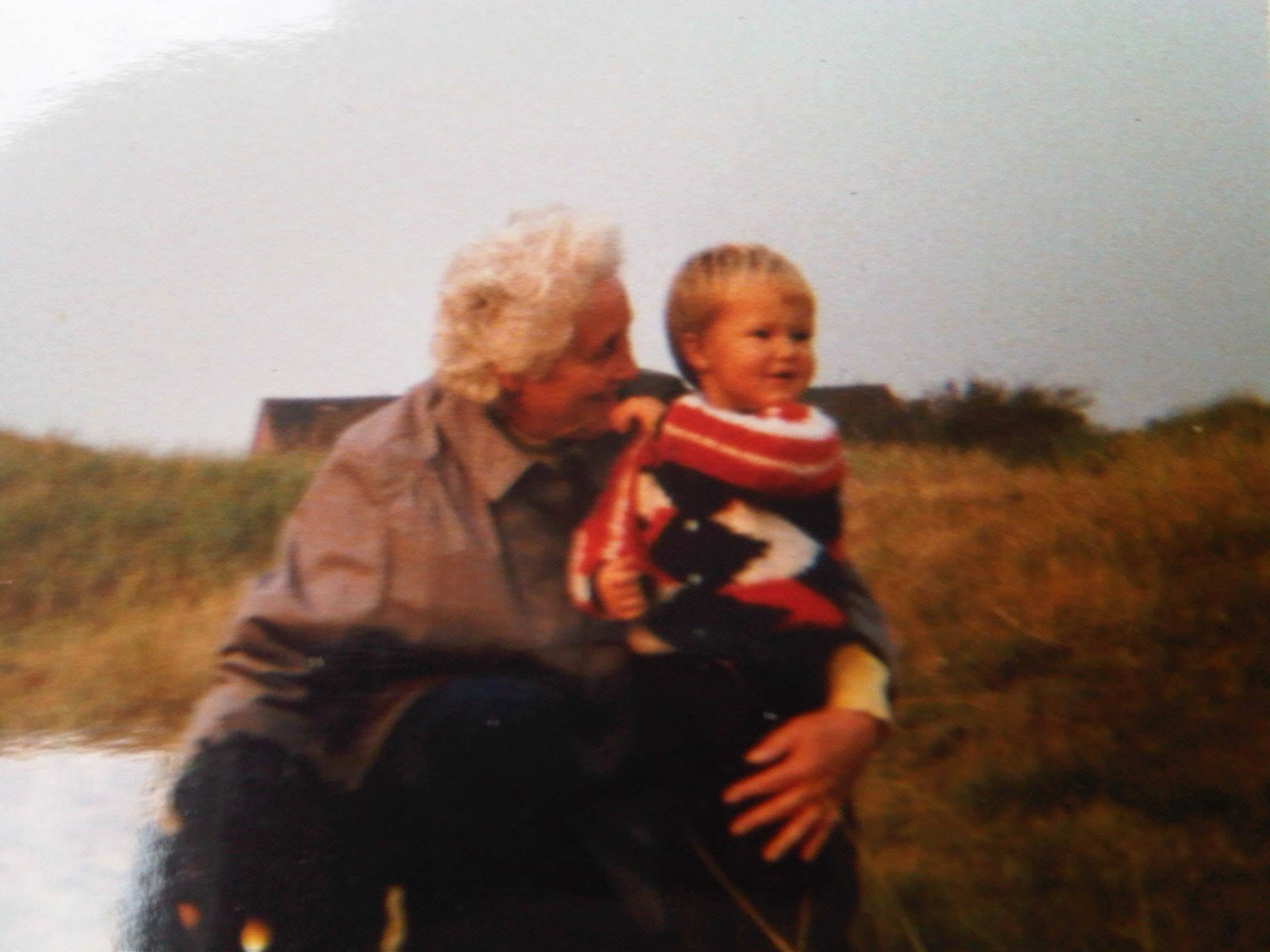
Borkum has mattered to me since childhood. When my grandmother’s things were sorted after she died, I did not want anything expensive. I wanted the little music box that plays “Happy Birthday,” because I had loved it as a child. Wind it up and Borkum returns immediately.
Borkum ist mir seit meiner Kindheit wichtig. Als nach dem Tod meiner Großmutter ihre Sachen geregelt wurden, wollte ich nichts Teures. Ich wollte die kleine Spieluhr, die „Happy Birthday“ spielt, weil ich sie als Kind so geliebt habe. Wenn ich sie aufziehe, ist Borkum sofort wieder da.
I go at least once a year. After the ferry, I still stand outside on the Borkumer Kleinbahn whenever I can — rain, snow, heat, it does not matter. That is when the holiday begins. As a child I ate breakfast, disappeared outside, explored paths, dunes and bunkers, and returned hungry in the evening. Some places are not remembered as one event; they are remembered as hundreds of small routes. Some machines store data. Some objects store memories.
Ich fahre mindestens einmal im Jahr hin. Nach der Fähre stehe ich in der Borkumer Kleinbahn, wenn möglich, immer noch draußen — bei Regen, Schnee oder Hitze. Dann beginnt der Urlaub. Als Kind habe ich gefrühstückt, bin nach draußen verschwunden, habe Wege, Dünen und Bunker erkundet und kam abends hungrig zurück. Manche Orte erinnert man nicht als ein Ereignis, sondern als Hunderte kleiner Wege. Manche Maschinen speichern Daten. Manche Gegenstände speichern Erinnerungen.
Curiosity came first
Zuerst kam die Neugier
Build, listen, look closer
Bauen, hören, genauer hinschauen
Computers were not the whole childhood: there were bikes, tree houses and a lot of time outside. Bad weather meant tinkering.
Pocket money went to the local electronics shop for components and ideas, or to Raiffeisen for nails, fence material and the very practical parts of a garden playhouse; a camouflage net from an army-surplus shop two villages away completed it.
Computer waren nicht die ganze Kindheit: Es gab Fahrräder, Baumhäuser und viel Zeit draußen. Bei schlechtem Wetter wurde gebastelt.
Taschengeld ging zum Elektronikladen für Bauteile und Ideen oder zu Raiffeisen für Nägel, Zaunmaterial und die sehr praktischen Teile eines Garten-Spielhauses; ein Tarnnetz aus einem Army-Shop zwei Dörfer weiter machte es komplett.
Early school reports already said I was easily distracted. But biology, physics, natural science and radio/electronics could hold my attention completely. Radio club meant soldering, building and outdoor direction finding; aquarium club meant water, pH values, biology and fish. I was tall and fast enough for athletics, while football and most team sport held little appeal. Textile work, on the other hand, taught me to sew — I still can, own an overlock machine, and once made a cat hammock. If a skill is useful or interesting, why should it belong to one expected category?
Schon in frühen Zeugnissen stand, dass ich leicht ablenkbar war. Aber Biologie, Physik, Naturwissenschaften und Funk/Elektronik konnten mich völlig fesseln. In der Funk-AG wurde gelötet, gebaut und draußen gepeilt; in der Aquarium-AG ging es um Wasser, pH-Werte, Biologie und Fische. Für Leichtathletik war ich groß und schnell genug, Fußball und die meisten Teamsportarten reizten mich dagegen wenig. Textilarbeit brachte mir das Nähen bei — ich kann es noch, besitze eine Overlock und habe sogar einmal eine Katzenhängematte genäht. Wenn etwas nützlich oder interessant ist, warum sollte es in eine erwartete Kategorie passen?
I am autistic. A later diagnosis gave useful context to familiar patterns: deep focus on subjects that interest me, too many unrelated things competing for attention, difficult sudden changes, and sometimes needing a short break from loud, high-stimulation rooms. It is not a dramatic explanation for everything; understanding it simply makes life easier for me and the people around me.
Ich bin Autist. Eine spätere Diagnose gab vertrauten Mustern einen hilfreichen Kontext: tiefer Fokus bei Themen, die mich interessieren, zu viele unzusammenhängende Dinge, die um Aufmerksamkeit konkurrieren, schwierige plötzliche Änderungen und manchmal eine kurze Pause von lauten, reizintensiven Räumen. Das ist keine dramatische Erklärung für alles; es zu verstehen macht das Leben für mich und die Menschen um mich herum einfach leichter.
A score of my own
Ein eigenes Ergebnis
The king with two queens
Der König mit zwei Königinnen
Shooting club suited me better than football: concentrate, shoot, get your own score. In 1997, aged twelve, I became children’s shooting king — followed by a large procession I had not exactly planned. Then I was expected to choose a queen. Two Swedish sisters were staying with their mother at the nearby Eurostrand. I thought both were cute and simply could not decide; nor did I want either one to be sad because I had chosen the other. The youth leader pointed out the obvious: “That’s two.” “I can see that, but I can’t decide and I don’t want one of them to be sad.” So it was two queens. A surprisingly diplomatic solution to a very child-sized problem.
Der Schützenverein passte besser zu mir als Fußball: konzentrieren, schießen, ein eigenes Ergebnis haben. 1997 wurde ich mit zwölf Kinderschützenkönig — und bekam einen großen Umzug, den ich so nicht geplant hatte. Dann sollte ich eine Königin wählen. Zwei schwedische Schwestern waren mit ihrer Mutter im nahen Eurostrand im Urlaub. Ich fand beide süß und konnte mich schlicht nicht entscheiden; außerdem wollte ich nicht, dass eine traurig ist, weil ich die andere gewählt hätte. Der Jugendleiter wies auf das Offensichtliche hin: „Das sind aber zwei.“ „Das sehe ich, aber ich kann mich nicht entscheiden und möchte nicht, dass eine traurig ist.“ Also wurden es zwei Königinnen. Eine erstaunlich diplomatische Lösung für ein sehr kindliches Problem.


The first computer
Der erste Computer
The birthday Amiga
Der Geburtstags-Amiga
My first computer was a used Amiga 500 bought in Hamburg: monitor, drive, joysticks, accessories, the lot. It was expensive, so my parents hid it in the guest-room cupboard. I had a habit of finding hidden presents. This time I did not merely look: I unpacked the whole system, assembled it and turned it on.
Mein erster Computer war ein gebrauchter Amiga 500 aus Hamburg: Monitor, Laufwerk, Joysticks, Zubehör, alles dabei. Er war teuer, deshalb versteckten meine Eltern ihn im Schrank des Gästezimmers. Ich hatte die Angewohnheit, versteckte Geschenke zu finden. Diesmal habe ich nicht nur geguckt: Ich packte das ganze System aus, baute es auf und schaltete es ein.
Time to impact: critical.Zeit bis Einschlag: kritisch.
I heard my parents returning and repacked everything in panic. On my birthday I acted surprised. Years later, I confessed; they laughed — they had known presents were nearly impossible to hide from me, which is why later ones went to car boots or neighbours’ houses. The Amiga monitor later became a better cartoon screen than my small children’s television. A device was rarely limited to the job it had been sold for.
Als ich meine Eltern zurückkommen hörte, packte ich alles panisch wieder ein. An meinem Geburtstag tat ich überrascht. Jahre später erzählte ich es ihnen; sie lachten — Geschenke ließen sich vor mir fast nie verstecken, darum landeten spätere im Kofferraum oder bei Nachbarn. Der Amiga-Monitor wurde später zum besseren Zeichentrick-Bildschirm als mein kleiner Kinderfernseher. Ein Gerät war selten auf die Aufgabe beschränkt, für die es verkauft worden war.
Monkey Island, Wings, Another World, Eye of the Beholder and Loom are not merely games I remember: I have played every one again this year. Monkey Island still works in retro form and in the newer edition that switches between old and remastered graphics. I still have Wings; I still did not get far in Out of This World — that early worm and the beast in the background stayed unsettling. Some things are preserved not by putting them behind glass, but by using them.
Monkey Island, Wings, Another World, Eye of the Beholder und Loom sind nicht nur Spiele, an die ich mich erinnere: Ich habe jedes davon in diesem Jahr wieder gespielt. Monkey Island funktioniert noch im Retro-Kontext und in der neueren Fassung mit Wechsel zwischen alter und überarbeiteter Grafik. Wings habe ich noch; in Out of This World kam ich immer noch nicht weit — der Wurm am Anfang und das Tier im Hintergrund blieben unheimlich. Manche Dinge bewahrt man nicht hinter Glas, sondern indem man sie benutzt.
Learning by trying
Lernen durchs Ausprobieren
Open, test, understand
Öffnen, testen, verstehen
After the Amiga came a Schneider/Euro-PC period, I think, and perhaps an early accelerator with a graphics-card-to-accelerator-to-monitor cable. I do not remember the exact model; hardware of that kind — especially Voodoo cards — later became collectible. Prince of Persia was technically fascinating and gave me a lasting dislike of precision jumping. Quake arrived from a former neighbour on what felt like 21 floppy disks; if disk 17 failed, he went home and came back later with another attempt.
Nach dem Amiga kam, glaube ich, eine Schneider-/Euro-PC-Zeit und vielleicht ein früher Beschleuniger mit Kabel von Grafikkarte über Beschleuniger zum Monitor. Das genaue Modell weiß ich nicht mehr; Hardware dieser Art — besonders Voodoo-Karten — wurde später sammelwürdig. Prince of Persia war technisch faszinierend und gab mir eine bleibende Abneigung gegen Präzisionsspringen. Quake kam von einem ehemaligen Nachbarn auf gefühlt 21 Disketten; wenn Diskette 17 scheiterte, fuhr er nach Hause und kam später mit einem neuen Versuch wieder.
Every bulky-waste collection in Fintel became a bicycle treasure hunt for discarded computers: CPUs, RAM, drives, expansion cards — things other people had thrown away, but I could open, test and understand.
My father, who worked for Hamburg police, occasionally brought home things that had legitimately reached recycling: first Lego, later RAM, hard drives and little bags of ISA cards. I still own some of those parts.
Jede Sperrmüllabfuhr in Fintel wurde zur Fahrradtour auf der Suche nach weggeworfenen Computern: CPUs, RAM, Festplatten, Erweiterungskarten — Dinge, die andere entsorgt hatten und die ich öffnen, testen und verstehen konnte.
Mein Vater, der bei der Hamburger Polizei arbeitete, brachte gelegentlich Dinge mit, die rechtmäßig im Recycling gelandet waren: zuerst Lego, später RAM, Festplatten und kleine Tüten mit ISA-Karten. Einige dieser Teile habe ich noch heute.
One discarded PC belonged to a self-employed neighbour. Its drive had not been securely erased: family photographs, banking-related data, business and personal documents were still there. When I said, “Your family photos, banking data and documents are still on it,” he visibly went pale. It was an early, concrete privacy lesson: thrown away does not mean erased.
The story ended in trust, not distrust. I became an even more established technical contact; later, when his bank introduced a separate verification device, he trusted me to help set that up too. I still automatically look at bulky-waste piles today. Now that I finally have a large car boot, people rarely put complete computers out anymore.
Ein entsorgter PC gehörte einem selbstständigen Nachbarn. Seine Festplatte war nicht sicher gelöscht: Familienfotos, Bank-bezogene Daten sowie geschäftliche und persönliche Dokumente waren noch da. Als ich sagte: „Da sind noch Ihre Familienfotos, Bankdaten und Unterlagen drauf“, wurde er sichtbar blass. Das war eine frühe, konkrete Datenschutzlektion: Weggeworfen heißt nicht gelöscht.
Die Geschichte endete nicht mit Misstrauen, sondern mit Vertrauen. Ich wurde für ihn noch mehr zur technischen Anlaufstelle; als seine Bank später ein separates Bestätigungsgerät einführte, vertraute er mir auch dessen Einrichtung an. Auch heute schaue ich automatisch auf Sperrmüllhaufen. Jetzt, wo ich endlich einen großen Kofferraum habe, stellen die Leute kaum noch komplette Computer raus.
Garden extension cable: odd tingling, then the realization that it was still plugged in. Disconnect power before working on electrical wiring. A younger case-modification version of me also saw 5 volts, 12 volts and a missing connector, then reached for scissors. It worked; it would not meet today’s safety standards.
Katharina’s car once started after a brief attempt with speaker cable; the cable also demonstrated why starter cables are thicker. At seven or eight: pin removed, lever pressed, effect confirmed. The fur coat in the neighbour’s hallway was not part of the fire-extinguisher test setup. Curiosity is useful. Care, respect for electricity and hardware, and understanding consequences belong with it.
Garten-Verlängerungskabel: ein seltsames Kribbeln, dann die Erkenntnis, dass es noch eingesteckt war. Vor Arbeiten an elektrischen Leitungen wird der Strom getrennt. Eine jüngere Case-Mod-Version von mir sah außerdem 5 Volt, 12 Volt und einen fehlenden Stecker — und griff zur Schere. Es funktionierte; heutigen Sicherheitsstandards würde das nicht entsprechen.
Katharinas Auto startete einmal nach einem kurzen Versuch mit Lautsprecherkabel; das Kabel demonstrierte auch, warum Starthilfekabel dicker sind. Mit sieben oder acht: Sicherung entfernt, Hebel gedrückt, Wirkung bestätigt. Der Pelzmantel im Flur der Nachbarn war nicht Teil des Feuerlöscher-Testaufbaus. Neugier ist nützlich. Sorgfalt, Respekt vor Strom und Hardware und das Verstehen von Folgen gehören dazu.
Connection, then control
Verbindung, dann Kontrolle
Make the computer mine
Den Computer zu meinem machen
Two field telephones from the Lauenbrück street flea market first talked over speaker wire to a friend around the corner. Then two strands of fencing behind the property became the connection — and they still worked. Two devices, two conductors, a signal: a tiny human-made network. I once got a strong shock while handling one. For once, it rang on my side.
Zwei Feldtelefone vom Straßenflohmarkt in Lauenbrück sprachen zuerst über Lautsprecherkabel mit einem Freund um die Ecke. Dann wurden zwei Zaunstränge hinter dem Grundstück zur Verbindung — und es funktionierte noch. Zwei Geräte, zwei Leiter, ein Signal: ein winziges menschengemachtes Netzwerk. Einmal bekam ich beim Hantieren einen kräftigen Schlag. Ausnahmsweise klingelte es bei mir.
My first modem was 56k: beep beep, brrr, zzzz, ding ding. Magazine adverts helped compare providers until someone downstairs said, “I need to make a phone call!” ICQ 166847991 was socially important enough to exchange at discos. Then Deutsche Telekom DSL 1000 arrived. My temporary wire connection under the desk worked, so it stayed for much of the DSL era — until I kicked it and crawled underneath again. Nothing lasts longer than a working temporary solution.
Mein erstes Modem war 56k: piep piep, brrr, zzzz, ding ding. Werbung in PC-Zeitschriften half beim Anbieter-Vergleich, bis von unten kam: „Ich muss telefonieren!“ ICQ 166847991 war sozial wichtig genug, um es in der Disco auszutauschen. Dann kam Deutsche-Telekom-DSL 1000. Meine provisorische Drahtverbindung unter dem Schreibtisch funktionierte und blieb deshalb einen großen Teil der DSL-Ära — bis ich dagegen trat und wieder darunter kroch. Nichts hält länger als ein funktionierendes Provisorium.
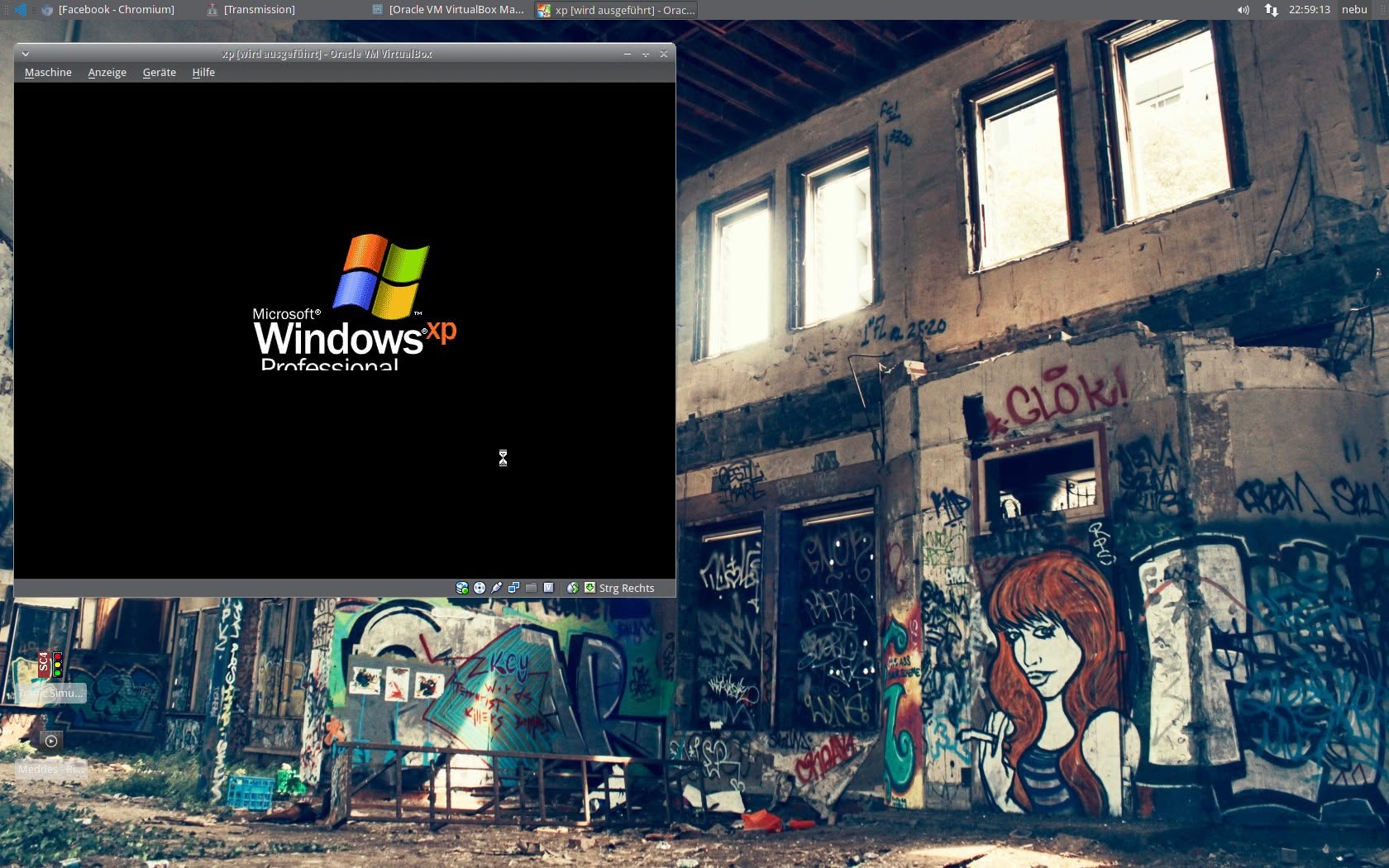
Windows 95, 98, 2000 and XP, OS/2 Warp 4, Debian, Slackware, SUSE and Linux Mint were a pattern, not a list. When one system finally worked perfectly, another often had to be installed. I broke partitions, GRUB, X configuration, audio, graphics drivers and boot processes. Repeating that became understanding. Linux became my primary system gradually: not because it always works, but because when it does not, I want to understand why. And if I break it? Debian gets installed for the 1001st time.
Windows 95, 98, 2000 und XP, OS/2 Warp 4, Debian, Slackware, SUSE und Linux Mint waren ein Muster, keine Liste. Wenn ein System endlich perfekt lief, musste oft das nächste installiert werden. Ich zerstörte Partitionen, GRUB, X-Konfiguration, Ton, Grafiktreiber und Bootvorgänge. Die Wiederholung wurde zum Verständnis. Linux wurde schrittweise mein Hauptsystem: nicht weil es immer funktioniert, sondern weil ich verstehen will, warum es nicht funktioniert. Und wenn ich es kaputtmache? Dann wird Debian zum 1001. Mal installiert.
The same instinct opened a birthday keyboard so its sound could reach the PC and the large stereo. It ran Linux on an old Premiere decoder — my parents had a legitimate subscription; bypassing anything was never the point. The question was what else the box could do. A clap switch meant for a lamp controlled the disco ball instead: clap clap → party.
Der gleiche Impuls öffnete ein Geburtstags-Keyboard, damit sein Klang PC und große Stereoanlage erreichen konnte. Er ließ Linux auf einem alten Premiere-Decoder laufen — meine Eltern hatten ein reguläres Abo; irgendetwas zu umgehen war nie der Punkt. Die Frage war, was die Box noch kann. Ein Klatschschalter für eine Lampe schaltete stattdessen die Discokugel: klatsch klatsch → Party.
At home, normal antenna outlets could receive my own video channels: DuckTales, talk shows, The Simpsons. The family question was “Why?” The answer: “Because it works.” A PC on the wall shelf behind me, with very long USB cables, also worked — but gaming latency taught me that working and working well are different things.
Zuhause konnten normale Antennenanschlüsse meine eigenen Videokanäle empfangen: DuckTales, Talkshows, Die Simpsons. Die Familienfrage war: „Warum?“ Die Antwort: „Weil es geht.“ Auch ein PC im Wandregal hinter mir mit sehr langen USB-Kabeln funktionierte — aber die Latenz beim Spielen lehrte mich, dass funktionieren und gut funktionieren zwei verschiedene Dinge sind.
Today experiments get their own systems, VMs, servers and a second M.2 SSD. Try and error eventually got its own infrastructure. Very recently I watched an hour-long CCC talk about the Toniebox simply because I wanted to know how it works. The objects changed. The question stayed the same: how does this work, and what happens when it does not work as intended?
Heute bekommen Experimente eigene Systeme, VMs, Server und eine zweite M.2-SSD. Try and error bekam irgendwann eine eigene Infrastruktur. Erst kürzlich schaute ich einen etwa einstündigen CCC-Vortrag über die Toniebox, einfach weil ich verstehen wollte, wie sie funktioniert. Die Gegenstände wechselten. Die Frage blieb dieselbe: Wie funktioniert das – und was passiert, wenn es nicht so funktioniert wie vorgesehen?

Ask Dennis
Frag Dennis
The person neighbours called
Der Mensch, den Nachbarn anriefen
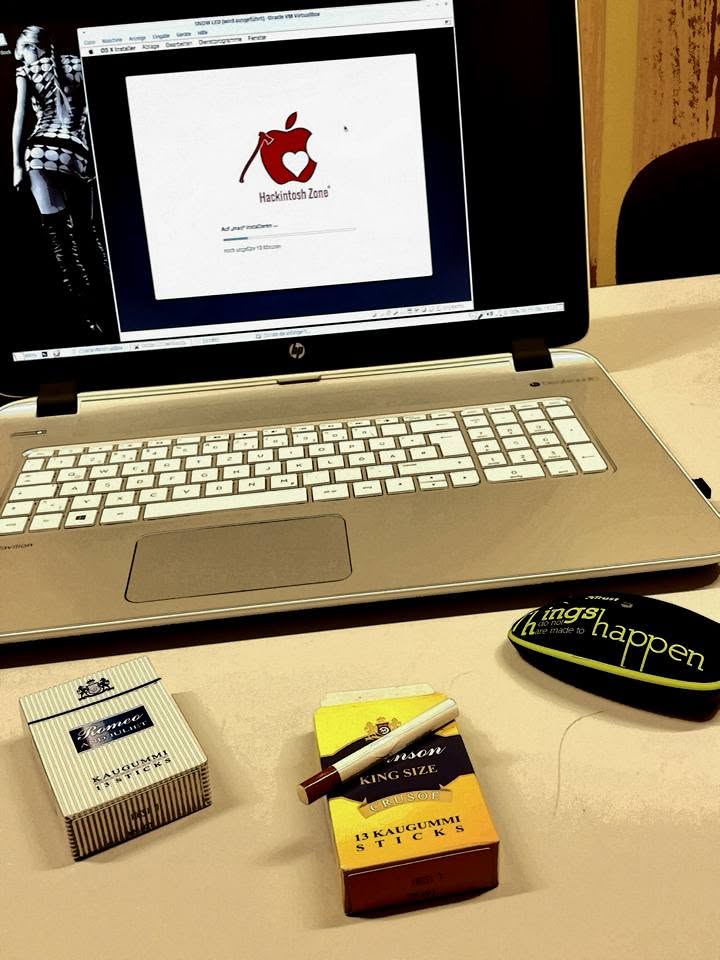
From around age ten, neighbours increasingly asked for help: a television had lost channels, a stereo had stopped, Windows needed reinstalling, a PC needed planning or repair. I built machines from mixed used parts. Sometimes “case” meant a motherboard mounted on a wall, a power supply nearby, cables, and Winamp in autostart. If it booted and played music, system operational. Money was usually less interesting than doing it — occasionally an old radio or technical object was the better payment.
Ab etwa zehn riefen Nachbarn immer häufiger an: Ein Fernseher hatte die Sender verloren, eine Stereoanlage spielte nicht, Windows musste neu installiert werden, ein PC geplant oder repariert werden. Ich baute Maschinen aus gemischten Gebrauchtteilen. Manchmal bedeutete „Gehäuse“ ein an der Wand befestigtes Mainboard, ein Netzteil daneben, Kabel und Winamp im Autostart. Wenn es bootete und Musik spielte, war das System betriebsbereit. Geld war meist weniger interessant als die Sache selbst — gelegentlich war ein altes Radio oder Technikobjekt die bessere Bezahlung.
MacGyver and The A-Team were formative television; I can still nearly quote them and own the DVD boxes. The useful lesson was not a trick but a habit: look at the mechanism, available materials, constraints and the actual problem. That helped with practical mechanical problems too — a locked car or house door, a tilted window — without turning me into a locksmith.
MacGyver und Das A-Team waren prägende Serien; ich kann sie fast noch zitieren und habe die DVD-Boxen. Die nützliche Lektion war kein Trick, sondern eine Gewohnheit: auf Mechanik, vorhandene Materialien, Grenzen und das eigentliche Problem schauen. Das half auch bei praktischen mechanischen Problemen — einer zugefallenen Auto- oder Haustür, einem gekippten Fenster — ohne dass ich deshalb Schlüsseldienst bin.
Reading the whole system
Das ganze System lesen
Security was its own way of looking
Sicherheitsarbeit war eine eigene Art zu schauen
Security work, including work in a forensic-psychiatric environment from roughly 2008 to 2011, taught me to read systems and surroundings without turning that into an action story. I notice cameras, exits, staff movement and the way a place fits together. A device may work perfectly while the wider system still has a weak point; later security inspections valued that perspective. On more than one occasion it was specifically requested. In one memorable case, the head of another company went around the usual management chain — past my own boss — and asked me directly whether I would accompany him on a security analysis through the building and grounds. I was not presenting myself as a high-level security consultant; someone else had noticed how I looked at systems and wanted that perspective. It is the same question again: does it work, what happens if it does not, and what did everyone overlook?
Sicherheitsarbeit, auch die Arbeit in einem forensisch-psychiatrischen Umfeld etwa von 2008 bis 2011, lehrte mich, Systeme und Umgebungen zu lesen, ohne daraus eine Actiongeschichte zu machen. Ich bemerke Kameras, Ausgänge, Bewegungen des Personals und wie ein Ort zusammenhängt. Ein Gerät kann perfekt funktionieren, während das größere System trotzdem eine Schwachstelle hat; bei späteren Begehungen wurde diese Perspektive geschätzt. Mehr als einmal wurde ausdrücklich danach gefragt. In einem besonders einprägsamen Fall ging der Leiter eines anderen Unternehmens an der üblichen Führungslinie vorbei — auch an meinem eigenen Chef — und fragte mich direkt, ob ich ihn bei einer Sicherheitsanalyse durch Gebäude und Gelände begleiten würde. Ich habe mich nicht als hochrangiger Sicherheitsberater dargestellt; jemand anders hatte bemerkt, wie ich auf Systeme schaue, und wollte genau diese Perspektive. Es ist wieder dieselbe Frage: Funktioniert es, was passiert wenn nicht, und was haben alle übersehen?
At a later interview, someone noticed a gap in my CV from roughly 2008 to 2011 and asked, essentially, “And where were you during that time?” I answered: “Three years in forensic psychiatry.” For a moment, the expression opposite me looked remarkably helpless — in retrospect, as if he had just noticed that the door was behind me. Only then did I realise the essential detail I had left out: “…working there.” A short pause. “Oh. Right. Of course.”
Bei einem späteren Vorstellungsgespräch fiel eine Lücke in meinem Lebenslauf aus der Zeit etwa 2008 bis 2011 auf. Die Frage war sinngemäß: „Und wo waren Sie in dieser Zeit?“ Meine Antwort: „Drei Jahre in der forensischen Psychiatrie.“ Mein Gegenüber sah einen Moment bemerkenswert hilflos aus — rückblickend ungefähr so, als würde er gerade feststellen, dass die Tür hinter mir lag. Erst dann merkte ich, welches entscheidende Detail meiner Antwort fehlte: „…zum Arbeiten.“ Kurze Pause. „Ach so. Ja, klar.“
A different machine to learn
Eine andere Maschine zum Verstehen
From security to civil engineering
Von der Sicherheitsarbeit in den Tiefbau
After security work, I interviewed for civil underground construction. “Do you know anything about it?” “No — but I’m not stupid, and I like learning new things.” “Okay. Start tomorrow for a week.”
Nach der Sicherheitsarbeit saß ich beim Bewerbungsgespräch im Tiefbau. „Haben Sie Ahnung davon?“ „Nee, aber ich bin nicht dumm und lerne gerne Neues.“ „Okay. Dann probieren wir das ab morgen eine Woche.“
That week became almost three years.
Aus der Woche wurden fast drei Jahre.
As a construction helper in Tiefbau, excavators, wheel loaders, temporary traffic-light systems and site workflows were another kind of machine to understand. It was not a step on a planned career ladder; I wanted to learn something completely different and see how its machines and systems worked.
Als Bauhelfer im Tiefbau waren Bagger, Radlader, Baustellenampeln und Abläufe auf der Baustelle eine andere Art von Maschine, die ich verstehen wollte. Das war kein Schritt auf einer geplanten Karriereleiter; ich wollte etwas völlig anderes lernen und verstehen, wie diese Maschinen und Systeme funktionieren.
After that, the path led into youth services. What the next chapter looks like is still open.
Danach führte der Weg in die Jugendhilfe. Wie das nächste Kapitel aussieht, ist noch offen.

Places keep traces too
Auch Orte bewahren Spuren
The story behind an empty place
Die Geschichte hinter einem leeren Ort
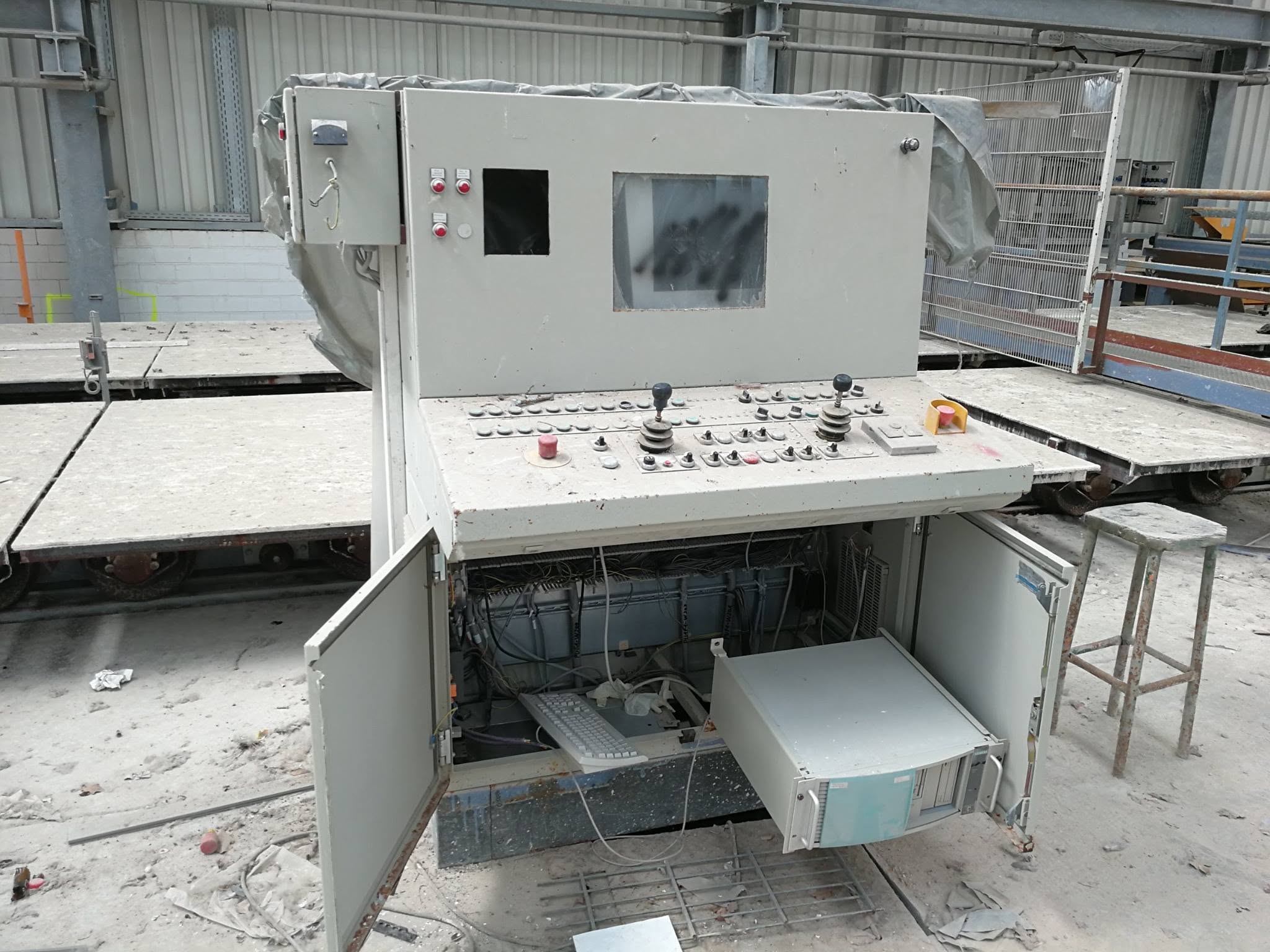
With my father, I explored Borkum’s old bunkers as a child. Later that became an interest in abandoned and historic places: former military and industrial sites, a lime-sand-brickworks, houses and farms in East Frisia, machinery, control systems, and ordinary traces of lives. The question was never simply whether ruins looked cool. It was: what was this place, how did it work, who used it, and what story can still be reconstructed?
Mit meinem Vater erkundete ich als Kind alte Borkumer Bunker. Später wurde daraus ein Interesse an verlassenen und historischen Orten: ehemalige Militär- und Industrieanlagen, ein Kalksandsteinwerk, Häuser und Höfe in Ostfriesland, Maschinen, Steuerungen und alltägliche Spuren von Leben. Die Frage war nie nur, ob Ruinen cool aussehen. Sie lautete: Was war dieser Ort, wie funktionierte er, wer nutzte ihn und welche Geschichte lässt sich noch rekonstruieren?
My first dedicated camera for this was, I think, a Canon EOS 400D. Naturally, the first reaction was not only to take photographs but to ask what else a camera could do; that led to experiments with alternative capabilities where compatible.
I published photographs and videos on my site, Facebook and YouTube. Local newspapers found the work through that trail and through the connection to Fintel and the Rotenburg area. The point was never fame: personal curiosity became documentation, and documentation found an audience.
Meine erste eigene Kamera dafür war, glaube ich, eine Canon EOS 400D. Natürlich war die erste Reaktion nicht nur zu fotografieren, sondern zu fragen, was eine Kamera noch kann; das führte zu Experimenten mit alternativen Möglichkeiten, wo sie kompatibel waren.
Fotos und Videos veröffentlichte ich auf meiner Seite, bei Facebook und YouTube. Lokale Zeitungen fanden die Arbeit über diese Spur und über die Verbindung zu Fintel und dem Raum Rotenburg. Es ging nie um Bekanntheit: persönliche Neugier wurde Dokumentation, und Dokumentation fand ein Publikum.
That work is documentary: observe, photograph, research, respect places and preserve their traces. Old technology and empty structures become interesting for the same reason once you stop seeing obsolete objects and start seeing the people, systems, ideas and stories behind them.
Diese Arbeit ist dokumentarisch: beobachten, fotografieren, recherchieren, Orte respektieren und ihre Spuren bewahren. Alte Technik und leere Strukturen werden aus demselben Grund interessant, wenn man nicht mehr nur überholte Gegenstände sieht, sondern die Menschen, Systeme, Ideen und Geschichten dahinter.
Computers were never the whole person. The same curiosity appeared with motorcycles and enduro, working on cars, cooking, building things, photography and even festival bungee jumping. The terminal matters. It is not the entire person.
Computer waren nie die ganze Person. Dieselbe Neugier tauchte bei Motorrädern und Enduro, beim Schrauben an Autos, Kochen, Bauen, Fotografieren und sogar Festival-Bungee-Jumping auf. Das Terminal ist wichtig. Es ist nicht die ganze Person.
One name travelled between those worlds: why I’ve been Nebu for roughly twenty years.
Ein Name wanderte zwischen diesen Welten mit: warum ich seit ungefähr zwanzig Jahren Nebu heiße.

A laboratory, not a monument
Ein Labor, kein Denkmal
From one computer to a homelab
Von einem Computer zum Homelab
The homelab did not begin with enterprise architecture. There was an O2 HomeSpot, an HP 1810G-24 switch given by an acquaintance, a chance to collect a server rack, and a patch panel that was partly useful and partly just looked right. Then the rack looked too empty. At one point a wonderfully excessive, loud dual-Xeon server with 256 GB RAM existed for Proxmox experiments.
Das Homelab begann nicht mit Enterprise-Architektur. Da waren ein O2 HomeSpot, ein von einem Bekannten geschenkter HP 1810G-24, die Gelegenheit, ein Serverrack abzuholen, und ein Patchpanel, das teils nützlich war und teils einfach richtig aussah. Dann sah das Rack zu leer aus. Eine Zeit lang gab es für Proxmox-Experimente sogar einen herrlich übertriebenen, lauten Dual-Xeon-Server mit 256 GB RAM.
Roles change constantly: firewall today, Jellyfin tomorrow, a recipe service later, a test system next week. If everything works, the next question is what else it could do. The same went for an RTL-SDR stick that arrived before its discone antenna: waiting was not an option, so an improvised wire between window and shed did surprisingly well at certain early-morning times. Proper equipment came later. From 56k to DSL 1000, a difficult rural O2 HomeSpot and now dramatically faster Starlink, the meaning of “connected” has changed completely.
Rollen wechseln ständig: heute Firewall, morgen Jellyfin, später ein Rezepte-Dienst, nächste Woche ein Testsystem. Wenn alles funktioniert, lautet die nächste Frage, was es noch kann. So war es auch beim RTL-SDR-Stick, der vor seiner Discone-Antenne ankam: Warten war keine Option, also lief ein improvisierter Draht zwischen Fenster und Schuppen zu bestimmten Zeiten am frühen Morgen erstaunlich gut. Die richtige Ausrüstung kam später. Von 56k über DSL 1000 und einen schwierigen ländlichen O2 HomeSpot bis zum heute viel schnelleren Starlink hat sich die Bedeutung von „verbunden“ völlig verändert.

Making physical things
Dinge greifbar machen
Bender, unfinished on purpose
Bender, absichtlich unfertig
3D printing fascinates me for the same reason as the earlier experiments: a machine turns a model into an object. Filament printing, resin printing and curing are another way to ask the old question with my hands. One early memorable print was Bender: white, unpainted, still wearing his small outfit. Painting is pending because hyperfocus had already moved on. That is not failure; it is part of the story. A broken plastic switch no longer always means hunting for a replacement. Sometimes: “I’ll print it.”
3D-Druck fasziniert mich aus demselben Grund wie frühere Experimente: Eine Maschine macht aus einem Modell einen Gegenstand. Filamentdruck, Resin-Druck und Aushärten sind eine weitere Möglichkeit, die alte Frage mit den Händen zu stellen. Ein früher erinnerungswürdiger Druck war Bender: weiß, unbemalt, immer noch mit seinem kleinen Outfit. Das Bemalen wartet, weil der Hyperfokus längst weitergezogen war. Das ist kein Scheitern; es gehört zur Geschichte. Ein kaputter Plastikschalter heißt nicht immer, Ersatz suchen zu müssen. Manchmal: „Das drucke ich.“

Why the projects exist
Warum die Projekte existieren
Make it visible. Keep how it worked.
Sichtbar machen. Bewahren, wie es funktionierte.
World Observer continues the old pull toward signals, water, weather, nature and measurable systems: something is happening — can I measure it, verify it, understand it, make it visible?
World Observer führt die alte Anziehung zu Signalen, Wasser, Wetter, Natur und messbaren Systemen fort: Da passiert etwas — kann ich es messen, prüfen, verstehen und sichtbar machen?
The Computer Museum comes from the other half. The Windows 98 setup, retro hardware, ICQ-compatible experiments and historic interfaces are not trophy objects; they preserve how systems worked and how computing felt. Like the music box, the shooting target, games that are still played and places documented before they disappear, they stay understandable, usable and connected to a story. Preservation is not always putting something behind glass.
Das Computer Museum kommt aus der anderen Hälfte. Der Windows-98-Aufbau, Retro-Hardware, ICQ-kompatible Experimente und historische Oberflächen sind keine Trophäen; sie bewahren, wie Systeme funktionierten und wie sich Computer anfühlten. Wie die Spieluhr, die Schützenscheibe, Spiele, die immer noch gespielt werden, und dokumentierte Orte, bevor sie verschwinden, bleiben sie verständlich, benutzbar und mit einer Geschichte verbunden. Bewahren heißt nicht immer, etwas hinter Glas zu stellen.
A final check
Eine letzte Kontrolle
The tools changed.
The curiosity didn’t.
Die Werkzeuge änderten sich.
Die Neugier nicht.
If I could show that child everything here today, he probably would not ask about the rack first. He would pick up Bender and ask: “How was this made?” That is still a very good question.
Wenn ich dem Kind von damals alles hier heute zeigen könnte, würde es wohl nicht zuerst nach dem Rack fragen. Es würde Bender hochnehmen und fragen: „Wie wurde das gemacht?“ Das ist immer noch eine sehr gute Frage.
Katharina said dinner was ready. I was sitting at my Gentoo/XMonad desktop, connected by SSH in a terminal to the production website server. Out of habit, I typed sudo shutdown now, stood up, and wondered why my own PC was still running. Then it hit me: “Oh shit — that was the server in Braunschweig.” Browser open, hosting panel, production website back online. Before typing shutdown ahead of dinner, it helps to check which machine you are actually on.
Katharina sagte, das Abendessen sei fertig. Ich saß an meinem Gentoo/XMonad-System und war per SSH im Terminal des Produktiv-Webservers. Aus Gewohnheit tippte ich sudo shutdown now, stand auf und wunderte mich beim Weggehen, warum mein eigener Rechner noch lief. Dann kam der Gedanke: „Oh shit — das war gerade der Server in Braunschweig.“ Browser auf, Hosting-Panel, Produktions-Website wieder online. Bevor man vor dem Abendessen shutdown tippt, sollte man kurz prüfen, auf welcher Maschine man eigentlich sitzt.

BigMac & Berta. BigMac got his name because he was absurdly tiny. Berta was named after Berta from Two and a Half Men, because I have always found the character ridiculously funny.
BigMac & Berta. BigMac bekam seinen Namen, weil er damals absurd winzig war. Berta ist nach Berta aus Two and a Half Men benannt, weil ich die Figur schon immer unglaublich witzig fand.